Monday, November 30, 2020

Wikipedia Trail: From Church Grim to Raijū

For this wiki trail, I began at the article on the "Church Grim", since I was researching mythological canines to determine which one I wanted to pull traits from for one of my characters.

Church Grims are guardian spirits of churchyards, which would protect the church and the graves there from being robbed, defiled or having sacrilege committed against them. The Church Grim would typically take the form of a large black dog. It was commonly believed that the first one buried in a churchyard would be responsible for guarding it, and so a black dog was often buried first to take on that duty instead of a human soul.

From there, I found a link to "Dogs in Religion", which covered a variety of religious beliefs, including Judaism, Zoroastrianism, Islam and Hinduism.

The article basically covered some of the more prolific dogs in religions, or aspects of the religions that praised and/or honored dogs, though some of the religions highlighted actually looked down on dogs or viewed them in a negative light. Overall, it seems that dogs have a variety of meanings in various religions, sometime symbolizing good things, sometimes bad.

At the bottom of the page, I found a link to "Inugami", which intrigued me as I'd not heard the term before but could recognize it as Japanese.

Inugami are cases of spiritual possession by the spirit of a dog. The source of the spiritual possession varies based on various legends and pieces of folklore, as does how it affects the person. In some of the stories, it seems to be a source of power for the person possessed, whereas in others it seems to appear as a curse. The source of the spirit typically involves the death of a starving dog, though the method in which it was killed and the circumstances around it varied significantly.

From that article, I found a link to an article on "Raijū", which intrigued me since I'd seen Raijū in other media before.

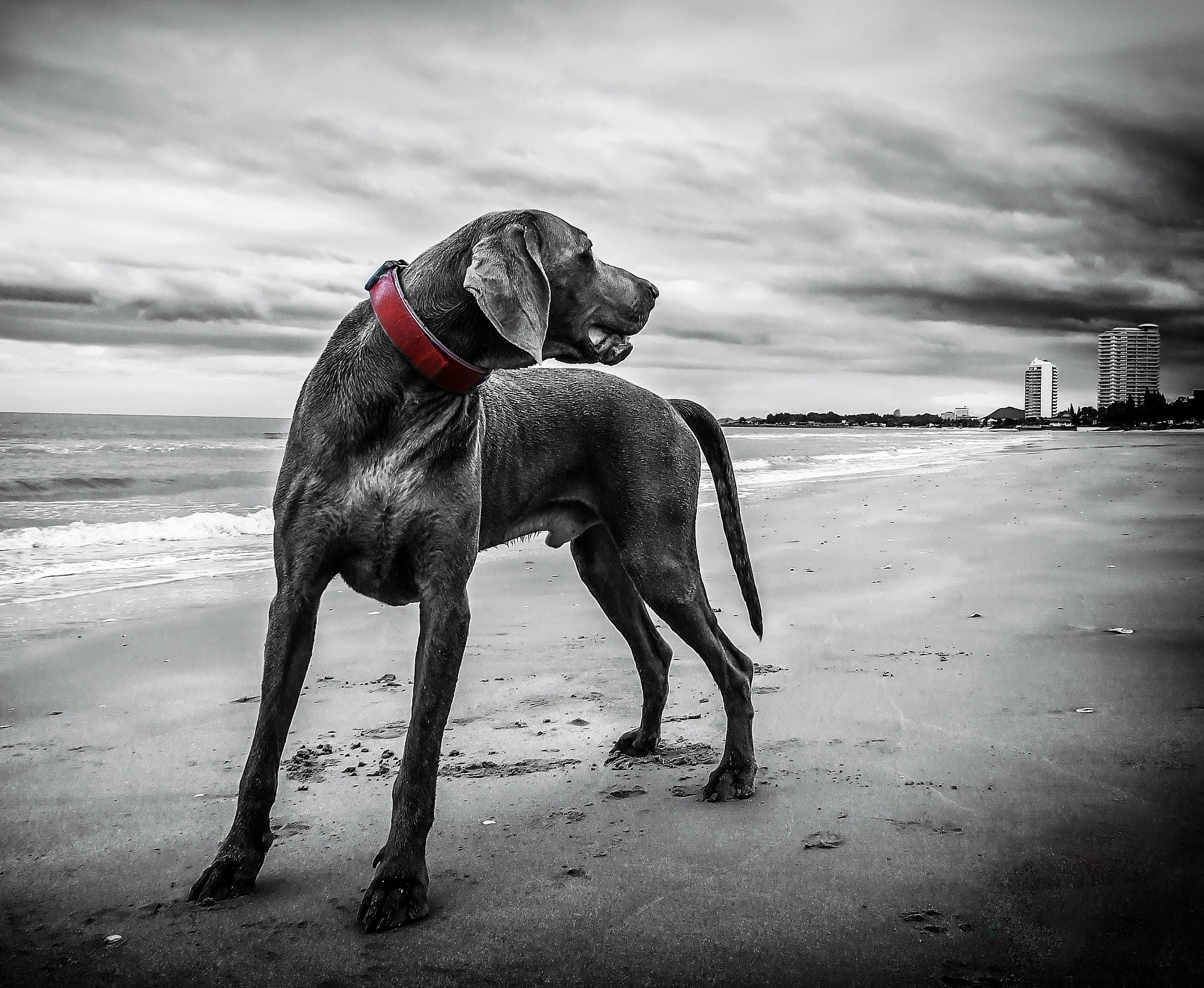
Raijū are creatures composed of lightning that typically take the form of a white and blue wolf or dog. They accompany Raijin, the Shinto god of lightning, and are commonly attributed as the source of lightning strikes and phenomena.

Image Source: Photo by coffy

Tuesday, November 17, 2020

Week 13 Reading: Welsh Fairy Book (Thomas), Part A


In Part A, I found two stories that interested me to varying extents.

The first, "Arthur in the Cave", was interesting to me in the sense of wonder it possesses. The concept of this massive army and these awe-inspiring knights and king simply being in a form of stasis for a thousand years sounds like a true sight to behold. I'm not sure what kind of story I would tell with it, but if I were to do so, I would likely focus in on for what purpose this army might have been called to act.

The second story that interested me was that of "Einion and the Fair Family". I'm a bit of a sucker for fantasy romances, so this one hit all the right buttons for me. If I were to adapt it for my own, I think I would maybe focus in on the three sisters a bit more, since they intrigued me. Perhaps the story could be expanded so as to find a spouse for each of the three sisters, or something of the like. A trio of brothers for the three Fae sisters could be interesting, especially if each of the sisters had a unique personality and desired a specific type of person as a spouse.

Sources:

"Arthur in the Cave" by W. Jenkyn Thomas

"Einion and the Fair Family" by W. Jenkyn Thomas

Image by StockSnap

Sunday, November 8, 2020

Wikipedia Trail: From Wolf Chess To The Amazon Piece

Starting configuration for playing Wolf Chess [Source]

My journey began on the discovery of a chess variant known as "Wolf Chess", which I indirectly found due to this class, finding it when looking for a creative-commons licensed picture of a wolf.

I took a particular interest in it since I actually have a character in one of my larger projects who has alternate versions of herself which are based on chess pieces. Wolf Chess adds an extra row to each side of the board, making it a 10x8 chess board, and also adds several additional 'fairy pieces'. The pieces added are the Wolf (Rook x Knight), Fox (Bishop x Knight), Nightrider (Knight with the ability to jump several times in a line), Sergeant (Pawn with the ability to also move diagonally forward) and the Elephant (Queen x Nightrider).

From the Wolf Chess page, I decided to check out a link to the page on "Fairy Chess Pieces" to learn more about them.

What I came to learn was that fairy pieces are used in a lot of chess variants, as well as in chess exercises to help alter the way strategy plays out. They come in two primary varieties. The first of which is simple pieces, which can broadly be placed into three major categories: Leapers, Riders and Hoppers. Leapers move directly to a square a fixed distance away and thus cannot be blocked with an opposing piece. Riders can move an unlimited distance in one direction, provided no pieces block their path. Hoppers are not seen in orthodox chess and are pieces that must hop over another piece in order to move, be they friendly or opposing. The other category is combination pieces, which combine the movements capabilities of two or more simple pieces.

From there I investigated three specific fairy pieces: the "Princess", the "Empress" and the "Amazon"

These three pieces are among the most common fairy pieces, most especially the so-called Princess and Empress. The Princess, which is also sometimes called the Archbishop or Cardinal, is a combination piece of the traditional Bishop and Knight (Same as the Fox in Wolf Chess). The other common fairy piece, the Empress, which is sometimes called a Marshal or Chancellor, is a combination piece of the Rook and Knight (Same as the Wolf in Wolf Chess).

Less common, but still shared between multiple games is the Amazon, which combines a Queen with a Knight (Similar to the Elephant of Wolf Chess, but slightly weaker). The reason it's not as common as the other two is that it has remarkable offensive power. An Amazon has complete battlefield supremacy over everything within a 5x5 square.

Friday, November 6, 2020

Week 11 Story: The Lost Wife And The Wolves


The Lost Wife And The Wolves

A beautiful young woman named Aurora married a man who promised to always treat her well, but he failed to hold true to his promise. He admonished and beat her and failed to give her what she needed.

And so she drew upon the inner strength she had left and ran away from their village. She ran all day and all night, and the search parties the village sent out were never able to find her.

But eventually, she reached a point where she could go no further. But she had no supplies with which to sustain herself. And so Aurora began to weep while she sat underneath a tree's sheltering branches.

"Stranger, why do you weep?" a man called from beyond the bushes.

"I've run away from my village to leave my terrible husband," Aurora said. "But I can run no further and have no supplies."

"You could stay within my village if you're willing to accept those of a different people than your own," the man said.

"I'll go with you," Aurora said and wiped her tears away. "Where are you?"

The man stepped out of the bushes and Aurora gasped.

A pair of wolf ears were nestled in the young man's shaggy gray hair and a wolf's tail swished behind him.

"You see now what I am, do you still wish to go with me to my village?" the man asked.

"Are all of them like you?" Aurora asked.

The man nodded.

"Then I will still go with you to the village, so long as you promise my safety," Aurora said.

"I promise that you will be safe among us," the wolf-man said.

And so Aurora followed the wolf-man to his village that was full of wolves as well as men, women and children, all of them with wolf ears and tails. She came to learn that they could take the form of wolves as well as their more human-like forms.

Aurora lived with the wolf-man she had met in the forest—who she came to learn was the chief of the wolves—for a year. While she lived among them, she was well taken care of and she grew close to many of the wolves who lived in the village.

One day, the chief of the wolves came to speak to her. "Aurora, hunters from your tribe will come to hunt buffalo here tomorrow, would you please speak to them so that they will not kill us?" he asked.

"Of course," Aurora said.

The next day, she waited on the hill near the village until the hunters of her tribe stumbled upon her.

They recognized her and agreed to avoid harming the wolves, but they asked to bring the village to see her, and she agreed on the condition that they bring offerings of the choice cuts of half of the buffalo that they hunted. They agreed and set off for the village at a steady pace.

They returned a day later with the entire village. Each of their horses was laden with buffalo meat, which they piled before Aurora.

When they finished placing the meat, Aurora howled into the air and all of the wolves bounded out of the village behind her and ate their fill until all of the meat was gone. They then returned to their more human forms and stood behind Aurora while she greeted her loved ones who had thought her long lost.

Her parents urged her to return to her husband and rejoin the tribe, but Aurora refused. She threw her arms around the chief of the wolves and told her parents that she had found someone who had actually kept his promise to her, and she would rather stay with him than return to her former husband.

Her family was saddened by her decision, but respected it. And so each year her former tribe came to have a feast with the village of the wolves and Aurora happily lived with the chief of the wolves forever after.


Author's Note:

I largely kept pretty true to the original story's plot with my rendition, though I tweaked some aspects of how the story was told, such as cutting out the extremely large section about the chief of the wolves preparing the woman's meat exactly how she would normally prepare it by asking her all of the steps.

I also decided to make the wolves all have the ability to take human instead of just the chief. I also gave them all wolf ears and tails in human form since I thought it made sense that they might retain some wolf traits.

The biggest change I made was to the ending, since I didn't like how the original story ended. The original story ended with the woman rejoining her village after the year and while she resisted him for a long while, she eventually reconciled with her husband. So I decided to change the story and have her stay with the wolf chief instead, since I thought that was a far better ending.


Bibliography:

Story Source: "The Story Of The Lost Wife" by Marie McLaughlin

Image Source: Photo of wolves taken by WorldInMyEyes


Thursday, November 5, 2020

Week 11 Reading: Sioux Legends, Part A


There were two stories that interested me in Part A.

The first is "The Story Of The Lost Wife". I liked the concept of this woman coming to meet the chief of the wolves and living among them. I also liked how she protected them and was able to reunite with her family.

However, I think I'd change the story to have her ultimately stay with the wolves and marry the wolf chief, since he seemed far better than the woman's former husband.

The second one that interested me was "The Wonderful Turtle". I loved how the turtle was portrayed and how he helped that tribe. I also loved how he was rewarded well for his service to the tribe by getting to marry the woman who many others had sought, despite being plain and not particularly attractive. I also liked how he gained the respect of the warriors.

However, I really didn't like the ending to the story. The poor turtle got chased off, then once he came back, he found he'd been cheated on. So I'd probably change the ending in some way to end better for him.

Sources:

"The Story Of The Lost Wife" by Marie McLaughlin

"The Wonderful Turtle" by Marie McLaughlin

Image of a wolf by Wildfaces

Monday, November 2, 2020

Wikipedia Trail: From List of Alcoholic Drinks to Flavoured Liquor

The article that I started at was "List of Alcoholic Drinks", which I'd found while looking for different types of alcohol for my story characters to drink. I wanted them each to have something that stood out from the others, hence the research direction for this trail.

The article covered both fermented and distilled drinks and included a variety of sections to help sort the information in ways that could be useful. The first section sorted them by the specific raw material used to create them. It had the expected grains and fruits, but also things like walnuts, sugar, palm sap and honey. The next two sections covered fermented and distilled drinks respectively, and sorted them by type and/or category.

My next stop was "List of Cocktails", which was really interesting.

The article included links to a massive variety of cocktails sorted by their primary alcoholic ingredient, such as beer, gin, rum, vodka and whiskey. It also had a section sorting cocktails by their primary mixer, which is used to provide a significant degree of the cocktail's flavor. The sheer number of cocktails covered on the article was mind-boggling, especially since many of the categories had links to larger lists of cocktails using that particular ingredient.

After that, I ended up on "List of Liqueurs", because liqueur was an unfamiliar term to me that was a category on the previous page.

What I learned was that liqueurs are alcoholic beverages that are bottled with added sugar and added flavors that are usually based from fruits, herbs or nuts. They typically are between 15-55% alcohol. Common flavors include fruit, chocolate, cream, crème, herbs and flowers.

My ending destination was "Flavored Liquor", since I noted that in the previous article it said the two were different, and I was curious about why.

These are quite similar to liqueurs, but differ in that while they do contain added flavors, they do not have any added sugar or glycerin. The alcoholic base for flavored liquors are typically rice wines, rums, tequilas and vodkas, though there are a few other types of flavored liquors that exist outside those main groups. Vodka and white rum are among the most common choices for flavored liquors due to having minimal taste of their own, allowing them to be infused with a greater variety of flavors.

A selection of flavored vodkas (Source)

Monday, October 26, 2020

Wikipedia Trail: From Palisade to Underground Hangar

So the article that I started at was "Palisade", which I has looked up for my story I'm writing for my Novel class.

A palisade is basically a simple defensive wall made of wooden stakes, often entire logs that have been cut down, but sometimes just pieces of them. The ends are often sharpened into points to make it harder to get a firm grip on the time to climb over and to make it potentially dangerous to do so. Palisades were also often reinforced with a degree of terraforming, such as digging a ditch or elevated the ground leading up to the palisade. Palisades were useful in that they could be set up quickly using local materials, since they were just made of wood. But of course, that also made them relatively weak when compared to more permanent structures.

The next article I went to was "Cave Castle", which was listed in the Fortifications category box at the bottom of the Palisade page.

I thought the concept of a castle constructed in a cave was really interesting, so I looked into it. The basic idea behind the castles is that it greatly decreases the number of directions from which the castle could be attacked. With the rock surrounding three of its sides, it made for an excellent defensive position, forcing attackers to come directly at the front of the castle. In addition to that, the caves could be used to create a secret escape route if they were enlarged or altered properly. That could be used to escape if necessary, or to sneak in food in the face of a siege.

The next article I arrived at was "Hardened Aircraft Shelter", which was also off of the Fortifications category box at the bottom of the Cave Castle page.

A hardened aircraft shelter, or protective aircraft shelter, known commonly in shorthand as HAS and PAS respectively, is a type of reinforced hangar used to protect military aircraft from enemy attack. However, such shelters are not cheap to build and additionally, due to the practicalities of building them, only fighter size aircraft could be stored within them. Their effectiveness dropped significantly over time, as modern smart bombs could pierce such shelters and destroy the aircraft within them.

The final article I ended up at was "Undergound Hangar", which was a direct link from the Hardened Aircraft Shelter page.

Generally speaking, an underground hangar was basically a far larger and more effective version of a hardened aircraft shelter. They would be dug into the side of a mountain, which made them much harder to destroy or capture. They could store much larger amounts of aircraft, and could also contain facilities reminiscent of a military base in order to keep the aircraft properly operational, such as fuel and ammunition storages and maintenance areas.

Image of the cave castle Predjama in Slovenia.

Friday, October 23, 2020

Week 9 Story: Rise of the Dragon Princess

Rise of the Dragon Princess

Fujihara was a brave warrior who was well-renowned for her skill with a longbow.

One day, as she went around in search of adventure, she came before a bridge that spanned across a large and beautiful lake.

Sitting upon the bridge was a massive and extraordinarily long dragon. The creature was coiled around the bridge several times, and the width of its body was at least that of three men standing abreast. The dragon's snowy white scales shone brightly and smoke drifted out of its nostrils. However, its eyes were closed and the great creature did not stir.

Fujihara stood unsure as to what to do. She could continue forward and potentially risk the dragon's wrath, or turn back in search of adventure elsewhere. But Fujihara was brave, and so she walked across the dragon's coils to continue on her way.

"Warrior with the pale purple hair, have you no fear of a dragon's ire?" a voice called from behind her.

When Fujihara turned, a stunning woman in white robes stood where the dragon had been. She had pure white hair, but looked no older than Fujihara herself. A crown fashioned to look like the head of a dragon sat upon her head, and golden dragons were printed on her robes.

"A dragon is a creature as mortal as any other," Fujihara said, "and so I continued on my way. What of it?"

"Then you are brave indeed," the woman said. "Perhaps it is you who can finally help me."

"Who are you?" Fujihara asked. "What did you do with the dragon?"

"I am the Dragon Queen," the woman said. "It was I that you stepped over just now."

"And what need would a Dragon Queen have for a mortal warrior such as myself?" Fujihara asked.

"A great and diabolic centipede has made its home in the mountains nearby," the Dragon Queen said. "Each night it carries off one of my children or grandchildren and none of us have the courage to slay it, for we have lost so many." 

The Dragon Queen prostrated herself upon the ground. "And so I humbly ask that you help us by slaying the terrible creature," she said.

"But why me?" Fujihara asked.

"You are the first warrior to have the courage to walk over me," the Dragon Queen said. "I waited here in hopes of finding a warrior with enough courage to move past me, but all before you have turned and fled once they caught sight of me. And if they could not face me, they stood no chance of slaying the vile centipede."

"Very well," Fujihara said. "I will help you to slay this enemy of yours."

"Thank you," the Dragon Queen said and rose. "If you will but follow me, we can wait in the palace for the centipede to arrive tonight, for that will be the easiest way to fight the creature."

Fujihara followed the Dragon Queen and she walked down to the water's edge. When she stood at the edge, she flung her hands apart in a sweeping motion and the water parted before her to create a channel ten feet wide in which no water flowed. 

Fujihara followed her down into the lake and they descended until they reached the center of the lake, in which there was a stunning palace made of white stone. A massive bubble of air surrounded the entire palace, and once they were within its border, the Dragon Queen closed the channel of water behind them.

Within the bejeweled palace filled with riches beyond belief, Fujihara was treated to a wide array of exquisite dishes created from the finest ingredients and served upon plates of precious metals.

 Finally, a few hours after the sun set, the ground began to rumble.

"It comes," the Dragon Queen said. "Are you ready, warrior?"

Fujihara adjusted her quiver and noted she had only three arrows left. "I am ready, bring me to the point from which I can take aim at this foul creature," she said.

The Dragon Queen performed a motion with her hands and a platform made of wind formed beneath them. They shot to a point high above the surface of the lake. From there, Fujihara caught her first glimpse of the massive creature.

The huge centipede stretched for miles over the mountains and its body was as wide as a house. The creature's churning feet sounded like drums beating upon the ground and the creature's two huge eyes were like crimson beacons in the night.

Fujihara took aim with her longbow and loosed an arrow. The arrow struck the side of the centipede's head, yet the arrow failed to penetrate.

Again, Fujihara took aim and her arrow flew true, striking the centipede in the center of its head. But the arrow again glanced off of the creature's hide.

"Your arrows fail to pierce the creature's chitinous hide," the Dragon Queen sobbed. "There was never any hope to begin with then..."

"It is not yet time to give up hope," Fujihara said.

Fujihara took hold of her final arrow and then slashed the tip of the arrow across her palm. The arrowhead bit into her flesh and blood wept from the wound. Fujihara coated the arrow's head in her blood and then nocked the arrow in her bow. She drew, took aim and then released the arrow.

The arrow flew straight and true, landing right between the creature's eyes. And this time it pierced the creature's hide, burrowing deep into the monster's brain.

The centipede froze, and then the lights of its eyes dimmed and the creature crashed to the ground in a deep and reverberating thud.

"You did it!" the Dragon Queen exclaimed. "But how did you know your final shot would pierce the creature's hide?"

"It's been said that a human's blood is toxic to centipedes, and so I used the creature's weakness against it," Fujihara said.

"How wondrous," the Dragon Queen said. "And with that, you have saved myself and all of my family. For a feat such as that, you deserve to be rewarded. And so I would like to offer you the the opportunity to become a Dragon Princess and all of the power and riches that entails."

"I would like that," Fujihara said.

"Additionally, if you will take him, I would like to offer you my eldest son in marriage," the Dragon Queen said. "He is strong and courteous and will grant you powerful heirs to carry on your legacy."

"Very well," Fujihara said. "If I find your son to be amenable, I shall take him as my husband."

Fujihara found the Dragon Queen's son to be worthy of her and so they were thusly married and had many powerful children to succeed them. The dragons she spawned were all born with pale purple hair and they became renowned for their great courage and martial prowess, especially against any dreadful giant centipedes that dared to show themselves.


Author's Note:

So I made a couple of changes to this story when I created my telling of it.

The first notable change I made was doing a gender swap of the Dragon King to a Dragon Queen and making the male hero female instead. I thought that would be a good way to help get me to make sure my story was notably different than the original by changing the characters at play.

My Dragon Queen is much more proud than the Dragon King of the original story, who was much more fearful. I thought this was a logical change, since dragons are rarely fearful in most stories.

I also cut out the large sections in the original story in which the hero feasted with the Dragon King, for those added little to the story.

I changed the thing that slayed the centipede from saliva to blood because I thought saliva was rather strange, so I went with blood instead.

The largest change I made to the story was the ending, since the original story had the hero leaving the dragons behind with an array of gifts from them in his possession. I decided to instead have her stay with the dragons and become the next Dragon Queen.

I made the hero's hair color a pale purple because her name, Fujihara, means "wisteria field", and wisteria is a lavender flower.

The other changes I made were all minor and just changes to small details with no major significance.

I hope you enjoyed reading my story!


Bibliography:

Story Source: "My Lord Bag of Rice" by Yei Theodora Ozaki [Part A] [Part B] [Part C]

Image Source: Dragon vector by OpenCliapart-Vectors

Tuesday, October 20, 2020

Week 9 Reading: Japanese Fairy Tales (Ozaki), Part B

Of the readings in Part B, two of them somewhat interested me.

The first was "The Goblin of Adachigahara". The story is about a priest who unwittingly wandered into the abode of a cannibalistic goblin in the guise of an old woman. She actually treats him somewhat well at first, but when she heads off to go get firewood to rekindle the fire, she warns him not to peer into the back room while she is gone. He does well for a long while, but eventually falls prey to his curiosity and peers into the backroom to discover the room filled with blood and bones. He immediately flees the cottage at full speed and the goblin chases after him, revealing her true form. He eventually escapes her when she is erased by the light of the dawn.

The other was "The Ogre of Rashomon". The story is about an ogre who supposedly lingers near a particular gate and captures and eats any who pass by it. A hero hears of the tale and goes to investigate it for himself. At first he does not spot the ogre, but it eventually reveals itself and the two fight. The ogre is unable to beat the hero and flees, but the hero finds the ogre's arm on the ground and takes it with him. He's praised for fighting off the ogre, but in fear of the ogre's desire to reclaim its arm, he fashions the strongest box that he can and refuses to open the box for anyone. Eventually, the ogre comes in the guise of his old nursemaid and manages to convince him to open the box. The ogre then reveals its true form and reclaims its arm, and the two fight once again. The hero is nearly able to slay the ogre once again, and when the ogre escaped this time, it never bothered anyone again in fear of the hero's retribution.

Story Sources:

"The Goblin of Adachigahara" by Yei Theodora Ozaki [Part A] [Part B]

"The Ogre of Rashomon" by Yei Theodora Ozaki [Part A] [Part B] [Part C]

Image Source: Ogre Clipart by GDJ

Monday, October 19, 2020

Week 9 Reading: Japanese Fairy Tales (Ozaki), Part A

Of the three stories in Part A, the story of "My Lord Bag of Rice" was the only one that particularly caught my interest.

In particular, it could be interesting to potentially explore the potential future of the relationships between the hero and the dragons he saved.

In the original story, the king of the dragons lies in wait, covering a bridge with his fearsome bulk. When the hero steps over the dragon, the dragon transforms into a human and asks the hero for help. Each night a dreadful giant centipede attacked the palace and carried off one of the dragon's children or grandchildren.

The hero goes to the dragons' palace and after feasting all day, confronts the centipede as it approaches. His first two arrows fail to strike true, but by coating the third arrow in his saliva, it strikes the centipede dead and the hero is praised and rewarded by the dragon king.

A potential story idea I had would be to do a gender swap of the dragon king to a dragon queen and make the hero a woman. Then, when the hero slayed the great centipede, instead of leaving with some rewards, I think it might be interesting for them to instead marry one of the dragons and become the next dragon queen by proxy.

Story Source: "My Lord Bag of Rice" by Yei Theodora Ozaki [Part A] [Part B] [Part C]

Image Source: Dragon Yin-Yang Clipart by CLkr-Free-Vector-Images

Friday, October 16, 2020

Week 8 Progress

Thus far I'm pretty happy with my progress, I've managed to generally keep up with all the deadlines and snag some extra credit to get ahead a bit! I'm most proud of my stories, especially the ones on my portfolio!

Looking forward, I think I'd like to try and finish in Week 13 if I can. In fact, I'm going to do a bit of math here to see if I can figure it out:

238 points currently in the gradebook

24 points for this week's assignments that are yet to be turned in (including this one!)

So total of 262 at the end of Week 8

I need to hit 380 at the end of Week 13 to get an A

Which means I need 118 more points total.

So I can definitely finish on, or potentially even before, Week 13!


The image I chose is a commission I had done by Chiminio (formerly known as Bellachi) of one of my story characters. 
(Her name is Lena! She's a Rabbit Animus who fights alongside her twin sister Yin as part of the magical special forces team known as Hellstorm.)

The instructions were to find an image to motivate us to push onward, and this image of Lena fit the bill for me. I've had this piece of art for a long while, and I still love it just as much as the day I got it. (Plus her expression was fitting too, given my new discovery that I should be able to finish early.)


Thursday, October 15, 2020

Week 8 Feedback and Comments

In terms of the feedback I'm getting, I get a mix of a lot of praise and some feedback in terms of what I could potentially do to change up my stories or improve them. Honestly, all of the comments are useful in their own way. The ones that are praise help fuel me to keep working, even if that's all that they do!

I think I've found some solid strategies for giving feedback in most cases. Generally I only struggle when there isn't much to actually leave feedback on.

I don't know how well I'm actually able to get to know others through their blogs or my own. I used to turn on notifications for all my comments on the blogs of others, but after never getting a single response comment, I stopped doing that. I respond to all the comments on my story posts, but again, no further response from anyone, and I doubt many of them even see my comments at all. I am still happy with my blog and introduction post themselves though.

I don't really know if I have any changes I feel I ought to make. I think what I'm doing seems to be working quite well so far.


I chose the above image from the Growth Mindset Site (link). I thought it was a nice sentiment that I agree with, and the picture is quite fitting. It's okay to fail, it's just not okay to stop trying.

Wednesday, October 14, 2020

Week 8 Reading and Writing

Overall I'm pretty happy with how my story-writing assignments have gone. I've been really happy with some of the stories I've written for the course. And so far it's been nice to be able to take my favorite story posts that I'm the most proud of and then add them to my portfolio. (Which thus far have been "The Three Roses" and "The Clever, Brave and Wise".)

My reading notes are useful for me to help me determine which story I'll be using as the base of my story posts. I usually use them to give an overview of either the full story or the part of the story that I would be most interested in focusing in on.


So while the assignment did say to use an image from one of our story posts, reading posts or project, this image was one that was at one point intended to be used for either a story or reading post. (I honestly don't even remember which now.) So I thought this might be a decent place to showcase the image, since I never ended up using it, but I really like the aesthetic of it a lot.

My primary hope for the rest of this class is to write more stories that I'm very proud of. I think I have some degree of idea how to go about it now. I've found that the stories I've liked most were often the ones I made the most significant changes to. Both of my portfolio stories exemplify that. So I think I'll try to find ways to work in twists of my own to the future stories.

Image Source: Pikist

Tuesday, October 13, 2020

Week 7 Story: The Giantess and the God of Mirth

NOTE: This story can now be read over on my portfolio site, A Monster's Bond, so please go check it out there, since it will have more editing and refinement than this version!

The Giantess and the God of Mirth

The fragile, yet stunningly beautiful, goddess princess Ninigi was tasked by her grandfather, Amaterasu the sun god, to descend to the world below in order to bring peace to the chaos that had enveloped it.

But, before she could set out upon her journey, a fearsome giantess, whose height was topped by the mountains alone, took up a position before the bridge.

Not one of the hundreds of gods and goddesses dared to face the fearsome giant, and so it fell upon Ninigi's shoulders to select someone to speak with the giantess. She pondered deeply before eventually calling forth Uzume, the gorgeous god of mirth.

"You beckoned me, Princess?" Uzume said with a flourish.

"I did indeed, Uzume," Ninigi said. "I require you to go forth and meet with the giantess blocking the bridge to the mortal realm to ask why she has come. Your looks are unmatched by any among the rest of the gods, and so perhaps you shall survive your encounter with the giantess since she may not wish to mangle a beauty such as you."

"Very well," Uzume said. "I will go and meet with this giantess that all are too fearful to approach once I have done myself up in my finest raiment."

And so Uzume washed himself in a sacred spring nestled in the mountains in which the waters ran crystal clear. He dried himself and then wrapped himself in a black kimono that was embroidered with elegant golden dragons. And then he made his way to meet the giantess.

The giantess had skin the color of river stones and long, flowing hair the color of the clouds above. Her toned body was wrapped in layers of charcoal colored dragonhide, and she held a metal staff that stood as tall as herself. Yet, despite her fearsome stature, her face was pleasant to the eye, and her ruby eyes glittered when Uzume approached.

"Who is it that has the strength of will to approach me? the giantess rumbled.

"That would be I, Uzume, god of mirth," Uzume said with a laugh. "And who might you be, fair maiden?"

The ground quaked as the giantess laughed, yet Uzume did not falter, and even laughed along with her.

"I believe you may be the first to call me a fair maiden, but they call me Saruta-niko," the giantess said. "I am the deity of the field paths."

Uzume smiled. "Well met, Saruta-niko," he said. "Why have you come to block this bridge? Surely you've noticed the fear that has been struck into the hearts of those that dwell here."

Saruta-niko frowned and stared forlornly at the ground. "While I cannot do anything to prevent their fear," Saruta-niko said, "I have come to be Ninigi's guide on her journey upon the ground below, for there are none who know the earth as well as I."

"Very well," Uzume said. "I shall bring Ninigi here so that you two might head down to the world below."

Uzume turned and began to walk away, but before he was out of earshot he turned and called back over his shoulder to the giantess. "Also, know that there will always be one god who does not fear you, Saruta-niko," Uzume said, and his pleasant laughter carried along the wind as he returned to Ninigi.

Saruta-niko smiled at his receding back and waited patiently for his return.

Within the day, Uzume returned with Ninigi, and he bid the pair off with a joyful wave and a smile.

Saruta-niko was indeed a faithful guide to Ninigi, and with her presence, none dared to intrude on Ninigi's mission. After a span of years, Saruta-niko constructed a palace from which Ninigi could slowly bring peace to the land.

With the need for Saruta-niko's services now past, Ninigi wished to reward her loyalty.

"Saruta-niko, you've served me faithfully for many years, what can I bestow upon you in repayment?" Ninigi asked.

"I would like to marry the one god who has no fear of me in his heart, if he will have me," Saruta-niko said.

"I shall summon him at once," Ninigi said.

And so she summoned Uzume to her palace in the mortal realm.

"Why have I been called, Princess?" Uzume asked.

Ninigi gestured at the giantess. "As repayment for her service, this one here has asked only for the hand of the one god who does not fear her," Ninigi said. "What say you, Uzume?"

Uzume chuckled and smiled. "I have no objections," he said. "I would be honored to wed a woman of such beauty and loyalty as she."

Saruta-niko smiled and lowered her open hand so that Uzume could step onto her hand. She stood back up with him in her hand, but then she frowned.

"Princess, could I perchance ask of you a second thing as a reward for my service?" Saruta-niko asked.

"What is it?" Ninigi said.

"Could you grant me the power to shrink so that I might hold my dear husband close without fear of crushing him?" Saruta-niko asked.

"Consider it done," Ninigi said. 

Ninigi stepped forward and laid her hands on Saruta-niko's ankle, and the giantess steadily shrank until she stood only a few inches taller than Uzume, who now stood beside her. The pair embraced and then smiled at one another.

They were wed in a grand ceremony with Ninigi's blessing, and they spent the rest of eternity together in their wonderful home atop a mountain covered in sakura trees that were always in bloom.


Author's Note

I technically didn't stray too far from the original story in terms of overall plot points, though I changed many of the details of the story, as well as the focus of it. The original was focused around Ninigi, but I was most interested in Uzume and the giant, so that's what I focused on in my story.

The most notable change I made was to gender-swap all of the characters, since I thought it might be a fun twist to have a giantess and a god of mirth instead of a giant and goddess of mirth. I've also found doing that helps inspire me by altering the characters into something new.

There were two notable plot changes I made, though they're rather slight. The first is that Uzume more directly flirted with the giant in their first interaction, since I felt that helped hint at the ending a bit better. And the other change I made was having the giant actually ask for Uzume, rather than simply be granted Uzume by Ninigi as the reward for the giant's service. I thought it helped to make a better ending for this little story.

All of the other changes were just adding or changing details to help flesh out the story's imagery in my rendition, so I won't cover those here, since they have no real impact on the story itself.

I hope you enjoyed this story of mine!


Bibliography

Story Source: "The Heaven-Descended" [Part A] [Part B] by E. W. Champney and F. Champney

Image Source: Painting of Sakura Trees by AnnaliseArt

Week 7 Reading, Japanese Mythology, Part B

Of the readings in Part B, there were three stories that interested me.

The story of "The Sacred Sword" was interesting, in which it detailed how Yamato was tempted by a siren who sought to steal the sacred sword from him, and then he had to retrieve the blade from a demonic stag which had been tasked to bring the blade to Susa-no-wo. He received guidance and boons from a goddess in order to find and bring down the stag in order to reclaim the lost blade.

The story of "The Dragon" took place immediately after the story of "The Sacred Sword". In it, Yamato was determined to slay the siren who stole away the sacred sword, but he fell into her clutches once more. He would have been stuck in her clutches if it were not for his faithful princess Tacibana, who helped to free him from her clutches. Yamato collapsed against her, but when he awoke she was nowhere to be found and his people were in a panic. When he arrived at the palace, there had been a great slaughter, but among it all was Tacibana, who called upon the storm god to force the dragon Susa-no-wo down so that he could be slain. Yamato fought the dragon and managed to win, banishing him to the sea. Tacibana and Yamato lived together happily for several years, but when Yamato set out on a voyage, the god of the sea was angered by the hubris of Yamato, and Tacibana sacrificed herself to appease the god and save her husband. Thus ended the tragic tale of Yamato and his wife Tacibana.

The last story I found interesting was "The Jewel of Heart's Desire" and "The Quest of The Jewel" which were a pair of stories that went together. A warrior empress sets out on a journey to retrieve a glorious and powerful jewel, and while she succeeds in attaining it, it is stolen by a siren on the return journey. The prime minister is tasked with retrieving it, and when he can't he despairs and intends to toss himself from the cliffs in his disgrace. However, he is stopped by a fisherman's daughter who loved the prime minister in secret, and she spots the jewel sparkling in the sea. She dives to retrieve it, but is captured by a dragon. In order to keep the dragon from reclaiming the jewel, she stabs herself and puts the jewel in the wound, for dragons will not touch a corpse. The prime minister retrieves the jewel from her corpse, but is saddened by her death, and prepares a grand honoring parade for her. All of the citizens lay honor upon her, and the empress herself makes her a princess post mortem.


Story Sources:

"The Sacred Sword" [Part A] [Part B] by E. W. Champney and F. Champney

"The Dragon" [Part A] [Part B] by E. W. Champney and F. Champney

"The Jewel of Heart's Desire" by E. W. Champney and F. Champney

"The Quest of the Jewel" by E. W. Champney and F. Champney

Image Source: Japanese Dragon on Wikipedia

Tuesday, October 6, 2020

Week 7 Reading: Japanese Mythology, Part A

Two of the stories in Part A particularly interested me.

The first of which, "The Eight-Forked Serpent of Koshi" is about Susa-no-wo encountering an elderly couple in the forest, who grieve over their youngest daughter of eight, who is the last of their children, for the others had been consumed by a serpentine monster. Enticed by the daughter's beauty, Susa-no-wo agrees to slay the serpent in exchange for her hand in marriage. He drunkens the serpent and then cuts it into a thousand pieces. In the tail of the serpent he finds a powerful sword, which he hands off to the rulers of Heaven, and then he marries the daughter.

The other story that interested me was "The Heaven-Descended". In particular though, I found the part about Uzume and the giant interesting. You have this gorgeous goddess of mirth who fearlessly addresses a fearsome giant after being sent to greet him by Ninigi. And that amuses the giant, who gives a message for her to pass along to Ninigi, that the giant would be his guide. And once Ninigi descended to Earth, the giant did indeed serve as his guide, eventually building him a great palace. And for the giant's faithful servitude, Ninigi granted the giant Uzume as a bride, and the two lived together happily. I feel there might be room in there to add onto the story, or explore their life together a bit more, since I like the way the two are characterized.

Sources:

Story Source: "The Eight-Forked Serpent of Koshi" by E. W. Champney and F. Champney

Story Source: "The Heaven-Descended" (Part 1) (Part 2) by E. W. Champney and F. Champney

Image Source: Artwork of Uzume

Friday, October 2, 2020

Week 6 Story: The Clever, Brave and Wise

NOTE: This story can now be read over on my portfolio site, A Monster's Bond, so please go check it out there, since it will have more editing and refinement than this version!

The Clever, Brave and Wise

A noble councilman and his wife had two children, the first of which was a daughter who was as beautiful as her mother and as noble as her father, and the second was a son who they named Moonlight, for he was as stunning as his namesake and his kindness was like a light in the darkness for all who met him.

Once Moonlight came to be of marriageable age, he brought forth a request to his family.

"Father, Mother, Sister," Moonlight said. "I will marry a woman who is clever, brave or wise, and I will take no other. So long as she is clever, brave or wise, I shall gladly accept the proposal."

While Moonlight's father set about his business for the council, he was approached by a woman with hair the color of silver who was adorned in the simple clothes and fanciful trinkets of a tinkerer.

"Are you perchance the father of Moonlight?" the silver-haired woman asked. "If so, I would like to ask for his hand in marriage."

"I am indeed," the father said. "To marry Moonlight you must be clever, brave or wise, which are you?"

"I am clever," the woman said. "Please allow me to prove this to you."

She brought the father to her workshop, which was filled with wonderous inventions forged of metal, including a bow that would amplify the force of an arrow threefold and a chariot that could fly.

The father was much impressed by her workmanship and accepted the silver-haired woman's proposal, slating the wedding for the seventh day.

While the father was away, Moonlight's sister was shopping in the town when she was approached by a woman with hair the color of gold who wore intricate plate armor and a sword at her hip.

"Would you be the sister of Moonlight?" the gold-haired woman asked. "If so, I would like to ask you for his hand in marriage."

"I am his sister, yes," the sister said. "But my brother will only accept a wife who is clever, brave or wise, which are you?"

"I am one who is brave," the woman said. "If you will follow me, I shall prove it."

And so the sister followed the gold-haired woman to the training area of the city guard, and the woman demonstrated her great prowess with many weapons by besting members of the guard.

The sister was in awe of the woman's great skill in the martial arts, so she accepted the gold-haired woman's proposal and slated the wedding for the seventh day.

That same day, Moonlight's mother was sitting on the veranda of their estate when a bronze-haired woman in the elaborate robes of a sage approached her.

"You are Moonlight's mother," the bronze-haired woman said. "I would like to ask for his hand in marriage."

"Yes, I am his mother," the mother said. "My son will only take a wife who is clever, brave or wise, which are you?"

"I have great wisdom," the woman said. "I will prove this to you."

The bronze-haired woman demonstrated the ways in which she could see that which was true, allowing her to know of things that might otherwise be unknown.

The mother was astonished by the bronze-haired woman's knowledge and abilities and accepted the bronze-haired woman's proposal, slating the wedding for the seventh day.

When the father returned home, he told his wife and daughter what had happened and what he had done. After he had finished, they each relayed the events of their own days, and the three came to realize they had invited three intended brides to the same wedding, and they were unsure how to choose between them.

However, when the day of the wedding came, Moonlight was nowhere to be found.

"Moonlight has been abducted by a mighty dragon," the bronze-haired woman said. "He has been taken to her cave in the northern woods."

The father was frightened, and asked for the silver-haired woman to come up with a means to save their son. She swiftly produced a flying chariot and the powerful bow that she had shown the father before. 

The three female suitors and the father set out to the northern woods in the flying chariot, and they swiftly arrived before the dragon's cave. 

The dragon pounced out of the cave to meet them with her her great wings outstretched, and she stood taller than a house, with platinum scales and a crest of black horns

The gold-haired woman took the bow the silver-haired woman had created and stepped forward to face the dragon. She and the dragon battled, but neither could inflict any serious wounds on the other.

However, a few minutes after the fighting began, Moonlight ran out of the cave with his arms outstretched.

"Please, both of you, stop!" Moonlight called.

Both the gold-haired woman and the dragon stopped and all present turned to look at Moonlight.

"Father," Moonlight said. "I see that you have brought the three female suitors who are clever, brave or wise. However, I do not wish to marry any of them."

"Why, my son?" the father asked. "Are they not exactly as you asked?"

"They are indeed clever, brave or wise," Moonlight said. "However, I have found one instead who is all three."

"Where is this individual that is clever, brave and wise?" the father asked.

Moonlight stepped up next to the dragon. "This mighty dragon is all of these things," Moonlight said.

As he spoke, the dragon morphed into the form of a platinum-haired woman with black horns in an elegant platinum dress.

Moonlight took her hand and she smiled at him. "Father, will you allow us to be wedded?" he asked.

In spite of the protests of the female suitors, the father agreed to have them married, and so Moonlight happily married the mighty platinum-haired dragon.


Author's Note:

I had a lot of fun making some changes to this story.

Firstly, I did a gender swap for Moonlight, Moonlight's sibling, the three suitors, and the monster. So Moonlight became male, and the sibling, suitors and monster became female.

The biggest change I made though was to the ending of the story. 

In the original story, the brave suitor slays the monster, and then the three suitors argue over who truly deserves to marry Moonlight, as the Wise suitor told where Moonlight was, the Clever suitor provided the means to get there and to slay the monster, and the Brave suitor actually slayed the monster. This was pitched as a sort of riddle, and the ultimate decision was that the Brave suitor should marry Moonlight, since they actually slayed the monster.

I decided to change it up though, and instead have Moonlight marry the monster. The original monster was a cruel giant, but I instead turned it into an elegant dragon. And then to provide the justification for the choice within the story, I thought it made sense that the dragon would be Clever, Brave and Wise, in essence making the dragon equal to all of the suitors put together. (And I feel all of this suits the typical mythos around dragons, which can often shapeshift, and are often very intelligent and courageous)

I also decided to include a little detail in the hair colors of the four eventual suitors, which was something of a ranking for who was most fit to marry Moonlight. So I selected the hair colors in order of increasing value, so from Bronze to Silver to Gold to Platinum.

The Wise suitor in the original story struck me as being the most replaceable, since there are plenty of ways to figure out where Moonlight had been taken, so I gave the Wise suitor Bronze. The Clever suitor was what enabled the Brave suitor to get there quickly and slay the monster, so I gave them Silver. And of course, the Brave suitor is the one who was actually slaying the monster to save Moonlight, so I gave them Gold. And then I made the dragon Platinum, since the dragon was greater than all of them.

Another fun little detail I included was while the other two suitors asked to make sure they had the right person, the Wise suitor simply knew they were asking the right person.

A minor detail I changed was that I swapped the order of the adjectives. "Brave, Wise and Clever" was how the original did it, but I thought it made more sense to put them in the order we meet the suitors, which would be "Clever, Brave and Wise".

I think that about sums up the changes that I made to this story, and I hope you enjoyed reading it as much as I loved telling it!


Bibliography:

Story Source: "Brave, Wise, Clever" by Arthur W. Ryder

Image Source: Clipart by OpenClipart-Vectors
Tuesday, September 29, 2020

Week 6 Reading: Twenty-Two Goblins, Part B

Of the stories that the goblin told in this section, two of them ended up being interesting to me.

The first was "The Girl and the Thief", which was about the beautiful daughter of a merchant who refused all men, turning down the greatest merchants and even kings who asked for her hand in marriage. A brilliant thief had been steadily robbing a great many of the citizens, and the king himself descended to find him and bring him down. The king pretended to be a thief himself, and was invited into the thief's abode. However, the serving-maid warned the king of the danger he was in, and he fled and returned with his army to surround the thief's house. The thief, when surrounded, came out and fought, slaying all of the king's men before finally being bested by the king himself. When the man was to be executed, the merchant's beautiful daughter fell madly in love with him, and intended to kill herself after he was executed, until a god returned the thief to life for her dedication to the man she wanted to be her husband.

The second was "The Four Brothers", where four brothers ended up repeatedly down on their luck, until they finally decided to all head in different directions and learn a science. The first learned how to put flesh on bones. The second learned how to put skin and hair on flesh. The third learned to create all of the organs. And the fourth learned to bring things to life. Once the fourth brother brought it to life, it killed them all and fled into the woods. The fault of the deaths was placed upon the head of the fourth brother, who had to know full-well that what he would bring to life was a lion.

Bibliography:

Image Source: Alexas_Fotos from Pixabay

Story Source: "The Girl and the Thief" by Arthur W. Ryder

Story Source: "The Four Brothers" by Arthur W. Ryder

Week 6 Reading: Twenty-Two Goblins, Part A

Of the riddle-tales of the goblin that I read, three of them struck my interest the most.

The first was "The Three Lovers", since I found the answer to the riddle rather interesting, in the way that it characterized the actions of each of the men. The great journey to bring about the method of the girl's resurrection was characterized as being the actions a father would take to bring back their daughter. The man who traveled to wash her bones in the holy river so that they might be purified was characterized as having taken the actions of a son who wished to honor their mother. And the final man, who had built a hut near her grave and slept with her ashes each night, subsisted on food obtained by begging, was the one characterized as having taken the actions of a husband who had lost their wife.

The second was "Brave, Wise, Clever", and I found it fitting in the way it was determined who deserved the woman's hand in marriage. The wise man told them what had taken the daughter and where to find the giant's home. The clever man built a flying chariot and weapons in order to allow them to travel to the giant's home, and to give the brave man an arsenal with which to fight the giant. The brave man fought and eventually slayed the giant. And the riddle's answer was that the brave man should have the woman's hand in marriage, for it was him that actually rescued her, while the other two men only helped him along his journey.

The third that interested me was "The Three Delicate Wives", in the quite ridiculous way that the story worked. The first wife was wounded by a lotus petal falling from her hair into her lap. The second wife was burned by beams of moonlight. And the third wife was bruised by the sound of a mortar and pestle being used. The third wife was determined to be the most delicate, for she was injured by something she didn't even come into contact with. 

Bibliography:

Story Source: "The Three Lovers" by Arthur W. Ryder

Story Source: "Brave, Wise, Clever" by Arthur W. Ryder

Story Source: "The Three Delicate Wives" by Arthur W. Ryder

Image Source: Vetal & Vikram by Harshad Dhavale

Friday, September 25, 2020

Week 5 Story: Tales of a Thief Turned King


Tales of a Thief Turned King


I. Tragedy

A wealthy king constructed a grand vault to hold his wealth.

Unbeknownst to him, the builder left a specific stone loose to enter the vault from outside.

When the builder passed, he told his two sons of the stone.

In the night, they snuck into the vault and stole all they could carry.

They did this many times, and so the king laid traps for the thieves.

When the brothers entered the vault, one fell into a trap.

"Cut off my head, so that they may not tie me to you," he said.

He did as he asked and then escaped.


II. Resurgence

When the headless body was found, the king had it mounted on the palace wall.

"Bring home his body," their mother demanded.

But the body was guarded by the king's men.

And so the man had to come up with a plan.

He brought mules laden with wineskins and uncapped some near the palace wall.

He bantered with the guards when they came to investigate, and gave them some of the wine.

He continued to talk with and give drink to the guards until they fell into a drunken stupor.

Then he retrieved his brother's body and stole away.


III. Victory

The king was shocked that he had been outsmarted yet again.

And so he sent out his clever daughter to investigate and find the man.

She came disguised to deceive him, but the man saw through it.

He approached her anyway, and revealed to her that he was the man she sought.

She reached out to grab him, but the man thrust his brother's arm at her from under his cloak.

She grabbed the severed arm, and the man escaped.

The king was impressed and offered a pardon to him.

The man's wits earned him the king's respect and daughter's hand.


Author's Note

I kept well in line with the original story for this one, but that's because I saw a natural three-act structure within the story, and I took that up in a challenge to try to write three one-hundred-word microfictions for the story, with one for each major act of the story. 

The first act explains how the two brothers get into the vault, and culminates in the death of one brother, who has the un-trapped brother cut off his head so that he might at least survive.

The second act is about retrieving his brother's body, which requires planning and good execution in order to succeed, and also shocked the king with the man's wit.

The third and final act has the king sending out his daughter in order to attempt to apprehend the man, but when he manages to outsmart even her, the king instead offers him a pardon if he meets with the king, and when he does, the king is thoroughly impressed and offers the daughter's hand in marriage.

It was honestly a pretty fun challenge to try and turn this story (which was originally ~1100 words) into three little microfictions.


Bibliography

Image Source: Ruins of an Egyptian Temple, taken by DEZALB

Story Source: "The Tale of King Rhampsinitus" by Donald Mackenzie

Wikipedia Trail: From Church Grim to Raijū

For this wiki trail, I began at the article on the " Church Grim ", since I was researching mythological canines to determine whic...